
Solar
Pairing Solar With Efficient Heating and Cooling
Heating and cooling is the biggest energy load in most Australian homes. Pair it with rooftop solar and smart timing, and the two systems make each other cheaper.
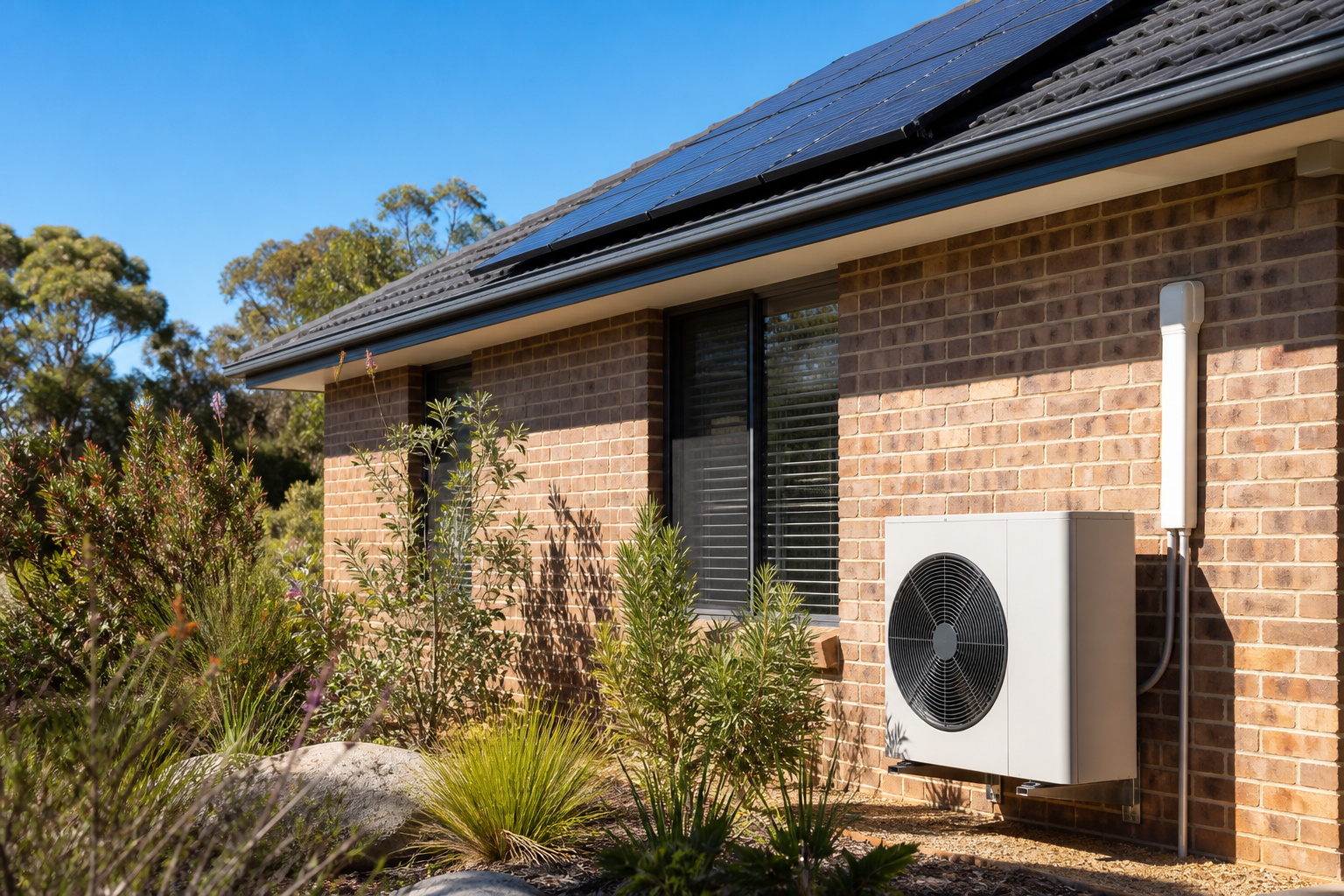
Rooftop solar and a modern reverse-cycle system are each good investments on their own. Put them together, though, and something better happens: the biggest energy load in your house starts running on the cheapest electricity you can get. In most Australian homes, heating and cooling accounts for the largest single slice of the bill, so this pairing is where whole-home energy planning earns its keep.
Why reverse-cycle is the right partner
A reverse-cycle air conditioner is a heat pump: rather than generating warmth the way a resistive heater or gas furnace does, it moves heat between inside and outside. That trick lets a quality unit deliver three or more units of heating or cooling for every unit of electricity it draws. Swap an old gas heater or plug-in electric heater for reverse-cycle and the energy cost of comfort drops sharply — before solar enters the picture at all.
The timing trick: pre-conditioning
Now add panels. The classic mistake is arriving home at six in the evening and blasting the aircon just as the sun disappears — paying peak grid rates for the hardest hour of work. The smarter pattern is pre-conditioning: on a summer afternoon, start cooling at two or three o'clock while your panels are still producing strongly, so the house is already comfortable when the evening peak begins. In winter, warm the living areas through the early afternoon on solar power and let the home coast into the evening. Your house itself becomes a kind of thermal battery, storing midday sunshine as comfort.
Size the system as one project
If you are considering both upgrades, plan them together. A household adding ducted or multi-head reverse-cycle will use noticeably more electricity than before, which usually justifies a larger solar array than a quote based on the old bills would suggest. Designing the two as one project avoids the frustrating discovery, a year later, that the roof system is a few panels short of covering the new load. Tell your solar designer about any planned aircon, and your aircon installer about the solar — good ones will ask anyway.
Don't skip the boring bits
Efficiency multiplies everything else. Draught-sealing doors and windows, topping up ceiling insulation and closing off unused rooms all reduce how hard the system works, which means more of your solar covers the remaining load. Set sensible temperatures too — every degree of extra heating or cooling adds roughly ten percent to the running cost, so 20 degrees in winter and 25 in summer is the sweet spot for most homes.
The end state is a house that soaks up sunshine all day and stays comfortable all evening, with a bill that finally reflects it. RenewX designs solar and comfort systems side by side every week — if you are weighing up either upgrade, it costs nothing to plan them as a pair.